



AI vs. AI - fraud & cyber attacks are crippling the insurance industry and what to do about it
The rise of fake insurance claims is not just a perception; it is a statistically verified trend that is currently undergoing a massive evolution.
Based on the latest data from 2024 and projections for 2025, the industry is seeing a shift from "opportunistic" fraud (exaggerating a real claim) to "industrialized" fraud driven by technology.
In the UK, the Association of British Insurers (ABI) detected £1.16 billion in fraudulent claims in 2024, a 12% rise in volume compared to the previous year. Globally, the cost of insurance fraud is projected to exceed $80 billion annually by 2025.
The National Insurance Crime Bureau (NICB) projects a 49% rise in fraud linked to identity theft by 2025. This is largely driven by "synthetic identity fraud," where criminals combine real and fake data to create new personas that are almost impossible to detect manually.
Why now?
A couple of reasons. First, there's the "Cost of Living" Effect: There is a proven correlation between economic downturns and insurance fraud. When household budgets tighten, "soft fraud" (exaggerating the value of a stolen item or a legitimate injury) spikes.
But really, it's about the AI Arms Race: This is the most critical shift. Generative AI has lowered the barrier to entry.
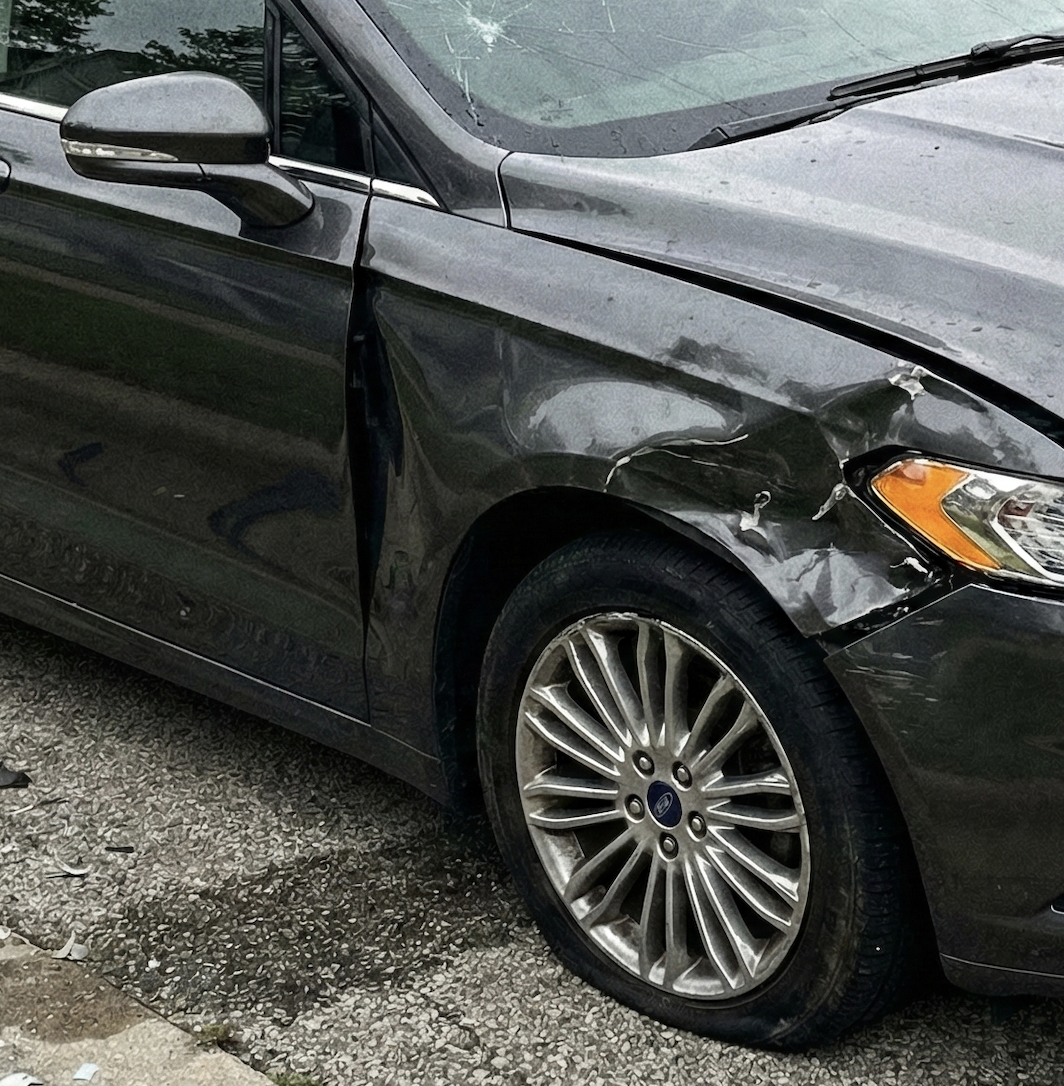
- Deepfakes: It is now trivial to generate a photo of a car with a dent, a water-damaged laptop, or even a fake medical report.
- Document Manipulation: AI can alter metadata in photos (geolocation, timestamps) to make a photo taken three years ago look like it was taken yesterday at the scene of an accident.
- Social Normalization: Significant research indicates a generational divide. Younger demographics (Gen Z and Millennials) are statistically more likely to view insurance fraud as a "victimless crime" or a way to "get back" the premiums they’ve paid.
The "rise" is actually a bifurcation: Amateurs: Regular people under economic pressure are committing "soft fraud" (padding claims), often justified by a feeling of unfairness, but also Professionals: Criminal gangs are moving away from physical staged accidents (which are risky and dangerous) to digital fraud factories using AI, which can be done from anywhere in the world with zero physical risk.
What can be done?
Fortunately the industry has new, sophisticated tools to fight these, many are actually leveraging similar technologies as the attackers. RAVIN uses AI to control and monitor data being uploaded as part of policy application and claim submissions, including image quality and background information.
As insurers continue to digitize and automate their services, the need to deploy tools to fight fraud is also rising. It is gradually becoming an 'AI vs. AI' warfare.

