



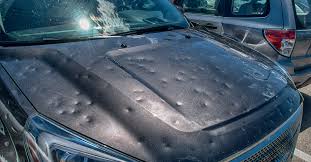
The "Hail Chaos" Problem: Why Auto Insurers Are Turning to AI
For insurance carriers, few weather events cause as much sudden operational chaos as a severe hailstorm. In a matter of minutes, thousands of vehicles in a single zip code can be peppered with dents, triggering a massive surge of simultaneous claims that can overwhelm even the most robust adjustment teams.
As climate patterns shift and hail events become more frequent and severe, insurers are facing a critical bottleneck. The traditional method of assessing these claims is manual, slow, and expensive—but a new wave of automated inspection tools is changing the game.
The Challenge: The Bottleneck of Manual Adjustment
When a CAT (catastrophe) event hits, the "business as usual" model breaks down. Insurers face three main hurdles:
- Volume vs. Capacity: A single storm can generate thousands of claims instantly. Physically sending adjusters to inspect every vehicle is logistically impossible without massive delays, leading to frustrated policyholders and increased rental car costs.
- Subjectivity and Accuracy: Estimating hail damage is notoriously difficult. Under certain lighting, the human eye misses shallow dents. Conversely, "subjective" calls on whether a panel needs repair or replacement can lead to inconsistent payouts and friction with repair shops.
- Fraud and Leakage: In the chaos of a storm surge, it becomes difficult to verify if damage is new or pre-existing. "Prior damage" often gets rolled into new claims, costing insurers millions in leakage.
The Solution: Automated Inspection & Remote Settlement
To solve this, forward-thinking insurers are deploying Automated Inspection Systems (AIS). These tools leverage Computer Vision and AI to assess vehicle condition without a human adjuster ever touching the car.
There are two primary ways this technology is being deployed:
1. Mobile AI Scanning (The Policyholder-Led Approach)
Instead of waiting weeks for an appointment, the policyholder downloads an app and is guided to take a series of photos or a video walk-around of their vehicle.
- How it works: The AI analyzes the reflection of light on the vehicle’s surface (using structured light analysis) to detect, count, and measure dents with sub-millimeter precision.
- The Result: The system generates a "severity matrix" and an instant repair estimate. If the damage fits the policy criteria, the claim can be settled and paid automatically in minutes, not months.
2. Drive-Through Inspection Tunnels (The High-Volume Approach)
For large fleets or repair center partnerships, insurers are using drive-through scanners—essentially "MRI machines for cars."
- How it works: A vehicle drives through a specialized archway equipped with high-resolution cameras and lighting arrays.
- The Result: In less than 60 seconds, the system creates a 3D model of the car, identifying every single hail hit, classifying the size (dime, nickel, golf ball), and distinguishing between hail damage and door dings.
Why This is the Future of Claims
By shifting from manual to automated inspection, insurers unlock massive benefits:
- Scalability: An AI system can process 10,000 claims as easily as it processes 10.
- Objectivity: Machines don't get tired or biased. A dent is measured exactly the same way every time, creating a consistent standard for settlement.
- Customer Trust: Transparent, visual reports show the customer exactly what the AI found, reducing disputes and increasing trust in the settlement offer.
Hail will always be unpredictable, but the claims process doesn't have to be. By embracing automation, insurers can weather the storm efficiently, keeping costs down and customers happy.

