



What Coca-Cola Teaches Us About Building a Truly Global Brand
In 1886, on a warm spring day in Atlanta, a pharmacist named Dr. John Stith Pemberton mixed a caramel-colored syrup with carbonated water and served it at Jacobs’ Pharmacy for five cents a glass. The drink had no marketing campaign, no distribution strategy, and no global ambitions. It was just a refreshing tonic sold at a local soda fountain—one of thousands across the United States.
Yet that simple mixture, poured into a small glass by a curious clerk, would become the most recognized beverage brand on the planet.
How did a local pharmacy experiment transform into a symbol of joy, refreshment, and togetherness known across 200+ countries?
Coca-Cola’s journey is more than a business success story. It is a masterclass in building a global brand that transcends borders, languages, and cultures. And it didn’t happen by accident. It happened through a series of deliberate choices—choices that any brand can learn from.
Let’s explore the evolution of Coke and the brand strategy lessons that emerged along the way.
The Early Days: Creating a Recognizable Identity
As demand grew, Pemberton’s bookkeeper, Frank M. Robinson, suggested two things that changed everything:
- The name “Coca-Cola,” with its rhythmic alliteration
- The now-iconic Spencerian script logo
Those early decisions laid the groundwork for one of Coke’s greatest strengths: instant recognition.
Even before Coca-Cola became a global brand, it understood the power of creating consistent, ownable visual assets. The logo, the flowing script, and later the contour bottle became universal symbols that needed no translation.
Lesson #1: Build a strong identity early—and guard it fiercely.
The Bottling Revolution: Distribution as Brand Power
A pivotal moment came in 1899 when two Chattanooga lawyers secured the rights to bottle Coca-Cola. This free-spirited decision—to let independent bottlers produce and sell Coke—expanded the drink far beyond soda fountains.
By the early 1900s, Coke was traveling by train, horse-drawn carriage, and delivery truck into towns across the United States. And later, across oceans.
Distribution wasn’t just logistics—it was brand building.
If Coke wasn’t everywhere, it couldn’t become part of everyday life.
Lesson #2: You can’t build a global brand without mastering distribution.
Accessibility is marketing.
Coca-Cola and the Art of Emotional Storytelling
By the mid-20th century, Coca-Cola realized something profound:
People don’t buy a beverage—they buy a feeling.
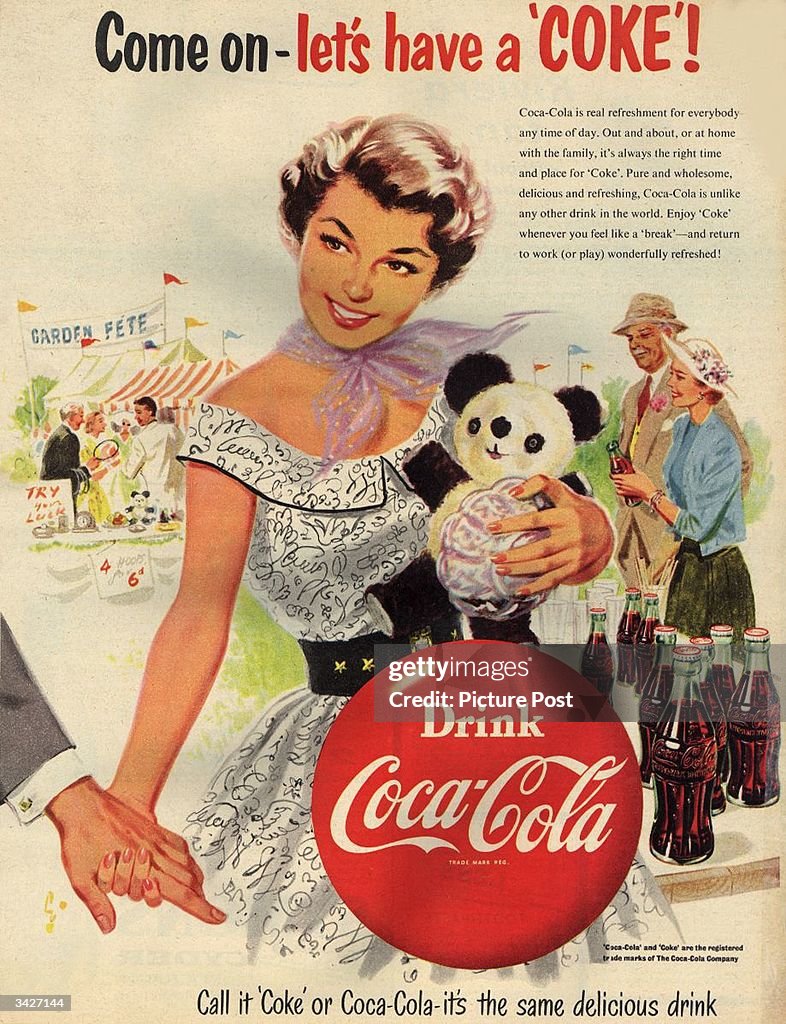
Thus began decades of advertising built not on product features, but on emotion.
- “It’s the Real Thing.”
- “I’d Like to Buy the World a Coke.”
- “Open Happiness.”
The brand connected itself to universal human experiences: friendship, love, celebration, comfort. Whether you were in Tokyo, Rio, or Nairobi, the message felt the same: Coke equals joy.
Lesson #3: Emotional storytelling travels farther than product messaging.
Features stay local; emotions scale globally.
Global Brand, Local Flavor: The Power of Intelligent Localization
Walk into a grocery store in Mexico, India, or South Africa and you’ll see Coca-Cola—but you won’t always see the same campaigns, packaging sizes, or cultural references.
Coke learned early that global standardization without local relevance is a recipe for disconnect.
It adapted its marketing to:
- Local languages
- Local holidays
- Local celebrities
- Local consumption habits
Yet through all this adaptation, the core message—happiness and refreshment—stayed constant.
Think of the brand like a tree: the roots global, the branches local.
Lesson #4: Be globally consistent but locally resonant.
A great global brand feels universal and personal.
The Contour Bottle & the Power of Iconic Assets
In 1915, Coca-Cola challenged bottle makers to design a package “so distinctive that you would recognize it by feel in the dark.” The result was the contour bottle, one of the most iconic product designs in history.
Even if you crushed it, you’d still know it was Coke.
Between the contour bottle, the red-and-white palette, the dynamic ribbon, and the signature script, Coca-Cola built a visual system as recognizable as a national flag.
Lesson #5: Iconic brand assets are a global advantage.
Ownership of shapes, colors, and sounds builds a moat competitors can’t cross.
Owning Cultural Moments: From Santa Claus to the FIFA World Cup
Coca-Cola didn’t stop at advertising—it wove itself into global culture.
- It featured the modern red-suited depiction of Santa Claus in 1930s ads, helping cement the holiday icon we know today.
- It partnered with the Olympics starting in 1928.
- It became a fixture of the FIFA World Cup.
- It created global rituals like “Share a Coke,” where bottles featured names and nicknames in dozens of languages.
Coca-Cola didn’t just ride cultural waves.
It created them.
Lesson #6: Align your brand with rituals and cultural moments.
This transforms your brand from a product into a tradition.
Staying Fresh Without Losing Your Soul
Despite being over 130 years old, Coca-Cola continually refreshes itself—new campaigns, limited editions, digital experiences—while keeping its core identity intact.
This balance is delicate: too much change and you lose your heritage; too little change and you fade into irrelevance.
Coca-Cola does it by evolving the expression, not the essence.
Lesson #7: Reinvent the surface, preserve the core.
So, What Can We Learn From Coca-Cola About Building a Global Brand?
Coca-Cola’s story offers a blueprint for any organization aiming to build a lasting, border-transcending brand:
1. Start with a universal core identity.
Make your emotional promise simple and global.
2. Create strong, consistent brand assets.
Logos, colors, shapes—recognition is power.
3. Build world-class distribution.
Availability reinforces brand equity.
4. Use emotional storytelling.
Feelings scale; features do not.
5. Localize intelligently.
Respect culture without diluting your brand.
6. Tie your brand to cultural moments.
Aim to become a ritual, not just a product.
7. Evolve continuously.
Stay fresh, but never lose your brand’s soul.
Coca-Cola didn’t become a global icon through luck.
It became one through the relentless, artful, disciplined crafting of a brand experience that resonates across languages, borders, and generations.
And that is the secret of building a truly global brand:
Create something the world can feel—then deliver it everywhere, consistently, for decades.

