



.jpg)
Deepfake Damage: How AI is driving a new era of auto insurance fraud
Insurers are reporting a spike in AI-driven auto claims fraud. The below chart, from Truthscan Research, is demonstrating reports from across the globe.

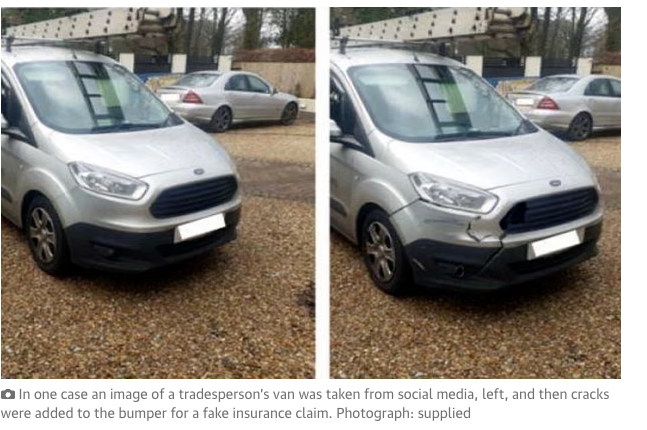
In one case, Allianz mentioned an individual had a photo of his van posted on his social media page as part of his business and ended up having a claim pursued in his name for an accident that never took place.
Welcome to the era of AI-driven auto claims fraud—where the damage is fake, the evidence is fabricated, and sometimes, even the policyholder doesn't exist.
The AI Arsenal: How Scammers are Gaming the System
Generative AI has drastically lowered the barrier to entry for committing insurance fraud. What used to require highly skilled Photoshop experts or physical coordination can now be done in seconds using widely available apps and software.
- Deepfaked Damage (Fake Images): Rather than taking a hammer to a bumper, fraudsters are using AI image generators to superimpose convincing dents, cracked windshields, and deployed airbags onto photos of perfectly fine vehicles. In other cases, they scrape photos of wrecked cars from salvage yard websites and use AI to seamlessly swap the license plates to match their insured vehicle.
- Synthetic Identities ("Frankenstein Fraud"): AI isn't just faking the damage; it's faking the drivers. Scammers combine real, stolen data (like Social Security numbers) with entirely AI-generated faces and fabricated driver’s licenses to create a "synthetic identity." These non-existent people are used to purchase auto policies, stage fake accidents on paper, and collect the payouts before disappearing.
- Voice Cloning and Deepfake Video: The deception extends to communication. Scammers use AI voice-cloning software—requiring only a few seconds of a person's real voice—to impersonate policyholders or insurance agents over the phone. Some are even using AI-generated video avatars to bypass virtual, live-video vehicle inspections.
The Cost to Honest Drivers
This digital arms race isn't a victimless crime. The sheer scale and speed at which AI allows scammers to operate means billions of dollars are bleeding from the insurance industry.
- Soaring Premiums: As insurers pay out on these highly convincing, fabricated claims, the financial losses are inevitably passed down to honest drivers in the form of higher annual premiums.
- Identity Theft Nightmares: If your personal information is used as a puzzle piece in a synthetic identity scheme, you could face severe headaches. Victims often spend countless hours untangling false claims and clearing their names from accidents they were never involved in.
AI Fighting AI: The Industry Strikes Back
Fortunately, the insurance industry is fighting fire with fire. Insurers are now deploying enterprise-grade AI and forensic technology to catch the fakes that the human eye misses.
Modern fraud detection software analyzes the metadata of submitted photos, scanning for altered timestamps, GPS inconsistencies, and unnatural pixel patterns or shadows that indicate an image was AI-generated. Furthermore, many companies now require "liveness detection" during virtual claims, asking claimants to perform dynamic, real-time gestures that deepfake software struggles to replicate.
Protect Yourself: In this new digital age, guarding your personal data is just as important as safe driving. Be mindful of what you share online, use strong passwords, and monitor your credit reports for any signs of synthetic identity theft.

